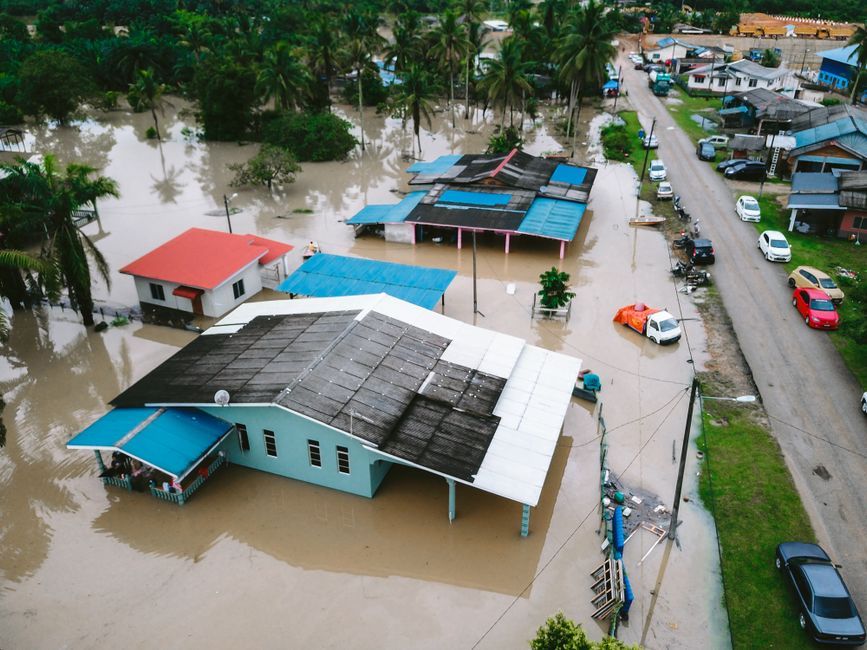
Emergency flood cleaning Hammersmith response times and costs
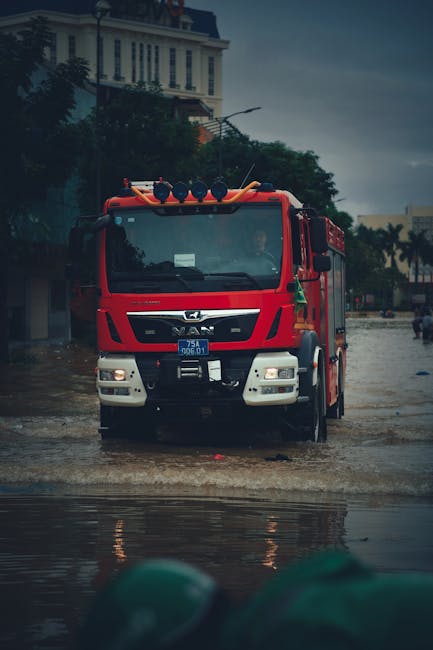
If water has come through a ceiling, burst pipe, washing machine hose, or storm damage, the first question is usually the same: how fast can someone get here, and what will it cost? That is exactly what this guide on Emergency flood cleaning Hammersmith response times and costs is here to answer. In a flood or leak situation, minutes matter. So does clarity. You need to know what happens first, what work is actually included, how pricing is usually built, and which mistakes can make a bad situation worse. We will keep it plain, practical, and local to the real-world pressures people face in Hammersmith.
Truth be told, a lot of stress around flood cleaning comes from the unknown. The water itself is bad enough. The smell, the damp patch spreading under a skirting board, the panic about carpets, furniture, electrics, and insurance paperwork - that is the part people remember. So let's break it down properly and make the process easier to judge.
Why Emergency flood cleaning Hammersmith response times and costs Matters
Emergency flood cleaning is not just about removing visible water. It is about stopping the chain reaction that follows: moisture soaking into floors, hidden cavities trapping damp, odours developing, and mould starting to take hold. In a compact London property, water can travel farther than you think. A small leak in a hallway can end up affecting a room you have not even entered yet. That is why the response time matters so much.
In Hammersmith, where homes range from flats above busy streets to larger townhouses and mixed-use buildings, flood damage can be messy in a very specific way. You may be dealing with shared access, awkward stairwells, limited parking, or damage at ground-floor level after heavy rain. A fast response reduces the chance of longer-term repair bills. It also helps with safety, because wet floors, electrics, and contaminated water are not things to leave hanging around.
Cost matters too, obviously. But cost is not just the amount on the invoice. It is also the cost of delay, the cost of repeat visits, and the cost of damage that could have been contained early. That is why the best way to compare emergency flood cleaning is by looking at what is included in the response, how quickly the team can attend, and whether the price is transparent rather than fuzzy.
Practical takeaway: when flood cleaning is needed, speed protects the property, and a clear quote protects your budget. Both matter, and both should be asked about upfront.
If you are trying to understand how a reputable local company works, it can also help to review their general standards around health and safety and insurance and safety. Those pages do not solve the flood, of course, but they tell you a lot about how seriously the business takes risk.
How Emergency flood cleaning Hammersmith response times and costs Works
Emergency flood cleaning usually follows a simple but very structured flow. First comes triage: what happened, where the water is, how severe the damage looks, and whether there are immediate hazards. Then comes attendance, containment, extraction, drying preparation, and the actual clean-up. Depending on the situation, the work may include sanitising affected surfaces, lifting waterlogged items, and helping make the area safe to use again.
Response time is shaped by a few real factors. Time of day matters. Traffic in west London matters. The scale of the job matters. So does whether the flood is confined to one room or affecting multiple floors. A small leak from an appliance can often be attended more quickly than a widespread ingress after heavy rainfall. That is just the reality of emergency work. No one sensible should promise a magic number before they know the details.
On cost, emergency flood cleaning is usually priced around the severity and labour involved. A light, localised clean-up is different from a large job involving carpet saturation, underlay removal, furniture handling, and drying support. Access can change the price too. If technicians have to carry equipment up several flights of stairs or work around difficult parking, that can affect the time needed on site. Not always dramatically, but enough to matter.
In practice, a good provider will ask questions before they quote. Expect to be asked things like:
- What caused the flood or leak?
- When did it happen?
- Is the water clean, grey, or contaminated?
- Which rooms are affected?
- Is there carpet, laminate, wood, or hard flooring?
- Has electricity been isolated where needed?
- Can the property be accessed easily?
That first conversation should feel focused, not rushed. If you want a clearer idea of how estimates are put together, a provider's pricing and quotes information can be helpful because it often shows what they consider before confirming a job.
Key Benefits and Practical Advantages
The main benefit of emergency flood cleaning is damage control. That sounds obvious, but it is worth saying plainly. Fast cleaning reduces the time water has to move into materials and hidden spaces. It can also prevent a situation becoming a full strip-out job. Nobody wants to discover that a patch of damp under the sofa was quietly spreading for two days. Been there, seen that, and it is never a nice surprise.
There are also several practical advantages that people do not always think about at first:
- Less disruption: quicker attendance means you can get back to normal sooner.
- Lower risk of secondary damage: mould, staining, warped flooring, and odour are easier to avoid when water is addressed early.
- Cleaner insurance process: clear records and prompt action often make claims easier to explain.
- Better salvage rates: some furniture, rugs, and soft furnishings may be saved if handled properly.
- Safer living conditions: wet surfaces and hidden moisture are not a great mix with everyday foot traffic.
There is another quieter benefit too: peace of mind. When someone arrives with the right tools, you can stop guessing. That matters more than people admit. In a flood, uncertainty is tiring.
Where the flood has soaked carpets or upholstery, follow-up specialist cleaning may be needed once drying is complete. In those cases, services such as carpet cleaning or upholstery cleaning can sometimes be part of the recovery plan rather than the emergency first response. The order matters, though. Dry first, deep clean later.
Who This Is For and When It Makes Sense
Emergency flood cleaning makes sense for anyone dealing with sudden water intrusion, but it is especially relevant if the property has soft furnishings, timber flooring, underlay, or electrical fittings near the affected area. A small spill on tile is one thing. Water under laminate is another. Much more awkward, and often much more expensive if left.
You may need this service if you are a:
- homeowner dealing with a burst pipe, appliance leak, or rain ingress
- tenant who needs to limit damage and document the issue quickly
- landlord or letting agent managing a flat that has been flooded
- business owner dealing with a commercial premises incident
- property manager responsible for shared areas, common hallways, or basement spaces
It also makes sense when the issue is not technically a flood but still behaves like one. A washing machine flood, for example, might look minor in the moment and then quietly spread beneath units. An overflowing sink in a busy kitchen can do the same. That is the sort of thing that makes people say, "It was only a little water," right before the underlay gets involved. And underlay, frankly, loves to make a scene later.
If the job relates to a managed property or communal entrance, a broader property cleaning service may also be relevant once the immediate flood issue is under control. For example, a provider with communal area cleaning experience is often better prepared for shared access, high-traffic areas, and the practical reality of working around neighbours.
Step-by-Step Guidance
When flood water appears, the first hour can shape the next few days. So here is a practical, no-drama sequence to follow.
- Stop the source if you can do so safely. Shut off the appliance, stop the valve, or isolate the water if the cause is known and safe to reach.
- Keep people away from the wet area. Wet floors are slippery, and contaminated water is not something to walk through casually.
- Switch off electricity only if it is safe. If water is near sockets, fuse boards, or appliances, do not take chances. Safety first, always.
- Take photos before moving much. This helps with insurance and gives a clearer record of the damage.
- Call for emergency flood cleaning. Give simple facts: location, size of affected area, visible damage, and access details.
- Move light valuables out of harm's way. But do not lift heavy soaked furniture unless you know it is safe. Waterlogged items are heavier than they look.
- Let the team assess extraction and drying needs. A proper clean-up is about more than surface wiping.
- Follow drying instructions carefully. You may be told to keep windows open, avoid using the room, or leave equipment in place.
One small but useful point: keep access clear. If you can unlock gates, secure pets, and free up a path to the affected room, you will save time. That can sometimes reduce labour on site, and at minimum it makes the whole visit less chaotic.
Where a flood has created broader contamination or a general deep-clean need afterwards, it may be sensible to explore deep cleaning once the area is fully dry. Emergency work and restorative cleaning are related, but they are not the same job.
Expert Tips for Better Results
A few practical habits can make emergency flood cleaning much more effective. First, do not delay for the sake of perfection. A lot of people spend too long trying to tidy before they call, and that time is better spent reporting the issue. You can sort the mess later. The water is the immediate problem.
Second, describe the water honestly. Clean water from a supply line, grey water from an appliance, and contaminated water from drains or sewage are treated differently. The cleaning approach, protective equipment, and disposal method all change. If you are not sure, say you are not sure. That is perfectly fine. Guessing is not helpful here.
Third, think beyond the obvious room. Water can travel under thresholds and into wall edges, so a corridor or adjoining room may need inspection even if it looks dry at first glance. You will often see this with older flooring or properties where the subfloor has gaps. A quick visual check is not always enough. Sometimes the floor is quietly telling a different story.
Finally, choose a provider that can explain what they are doing in normal language. If everything sounds vague, that is a warning sign. Good flood cleaning should sound methodical, not theatrical. No unnecessary jargon, no mystery. Just a clear plan.
If you are comparing providers, it can help to review other operational pages too. For example, about the company can give useful background, and a clear terms and conditions page can tell you how jobs are handled, including responsibilities and service boundaries.
Common Mistakes to Avoid
Flood cleaning mistakes are often simple, which is why they happen so often. The first is waiting too long because the water looks manageable. It rarely stays that way. What begins as a small patch can become a wider damp issue after a few hours, especially in warm indoor conditions.
The second mistake is using too much household product straight away. Bleach and strong cleaners are not a universal fix, and they do not remove water from beneath surfaces. They can also create fumes or leave residues that complicate later work. Surface shine is not the same thing as moisture control. Not even close.
The third mistake is moving furniture without checking what is soaked or unstable. A swollen cabinet can twist, a saturated mattress can split, and a wet rug can be far heavier than expected. Better to ask for guidance than end up with a back strain and another problem to deal with.
Another common issue is forgetting the drying phase. Some people assume the visible mess is the whole job. It is not. Drying and odour control are what prevent the comeback tour of damp patches and musty smells. Nobody wants a second round.
And yes, sometimes people forget to ask the pricing questions early enough. That is understandable in a panic. Still, try to clarify whether the quote includes attendance, extraction, sanitising, equipment, and any follow-up support. The cheapest headline number is not always the cheapest end result.
Tools, Resources and Recommendations
You do not need a van full of specialist equipment to take the first sensible steps, but a few items help when dealing with flood water at home or in a workplace:
- old towels or absorbent cloths for immediate containment
- mop and bucket for limited surface water
- rubber gloves and suitable footwear
- bin bags for ruined disposable materials
- torch for checking under units and behind furniture
- camera or phone for damage records
- notebook for times, actions taken, and names of people spoken to
For longer-term recovery, ask whether the provider can explain the likely drying plan, what needs to stay in place, and whether any soft furnishings should be removed for specialist care. If rugs have been affected, a follow-up rug cleaning service may be useful after the flood is fully under control. Same goes for mattresses or sofas if they were exposed and then successfully dried; these items are often the trickiest to judge, and sometimes the most emotional to lose.
If you want a cleaner or maintenance team to handle other parts of the property once the emergency has passed, related services like house cleaning, domestic cleaning, or office cleaning can be useful follow-ons depending on the setting.
Law, Compliance, Standards, or Best Practice
Flood cleaning sits in a practical area where health and safety, tenant/landlord responsibilities, property access, and insurance considerations can all overlap. It is not wise to treat it like a normal tidy-up. Any reputable provider should work with care around slip hazards, electrical risk, contaminated water, and safe disposal of debris.
In the UK, best practice generally means using suitable protective equipment, assessing risk before work starts, and avoiding unnecessary exposure to contaminated areas. For commercial or shared premises, good record-keeping also matters. That includes noting when the issue was reported, what actions were taken, and whether follow-up drying or specialist cleaning is needed.
For the customer, the practical rule is simple: do not interfere with safety-critical areas unless you are sure it is safe. If water has reached electrics or you suspect contamination, the sensible move is to keep away and get expert help quickly. That is not being dramatic. It is just sensible.
It also helps to choose businesses that are transparent about payment and security and that explain how they handle complaints. Flood jobs can be stressful, and if something needs clarification later, having a clear procedure is reassuring. A provider's complaints procedure can be a useful sign of professionalism, even if you never need it.
Options, Methods, and Comparison Table
Not every flood job needs the same level of intervention. Here is a simple way to compare the main approaches.
| Approach | Best for | Typical response speed | Relative cost | Notes |
|---|---|---|---|---|
| Basic emergency clean-up | Minor spill, small appliance leak, limited surface water | Often the quickest | Lower | Focuses on extraction, wipe-down, and immediate safety |
| Emergency flood cleaning with drying support | Moderate flooding, soaked flooring, damp walls or subfloor concerns | Fast, but depends on workload and access | Mid-range | More time on site, sometimes repeated visits |
| Restorative clean after flood damage | Rooms affected for longer, odour, staining, salvageable furnishings | Can be same day or later depending on dry-out stage | Higher | Usually follows initial containment and drying |
| Specialist item cleaning | Carpets, rugs, upholstery, mattresses, soft furnishings | Usually after the emergency stage | Varies | Only useful if the item is salvageable |
What this table shows, in plain English, is that cost tends to rise with complexity and time. That sounds basic because it is. But it helps set expectations. If you want the cheapest outcome, the best move is usually the fastest one - call early, keep the area safe, and avoid making the damage spread.
Case Study or Real-World Example
Imagine a ground-floor flat in Hammersmith after a washing machine hose splits in the evening. Water runs across part of the kitchen and into the hall. The tenant notices it fairly quickly, but the machine has already pushed water into a corner under a cabinet and across the edge of the floor. The surface looks manageable. The trouble is what sits beneath it.
In that kind of situation, a sensible response is immediate containment, photos for record-keeping, and a call for emergency cleaning that explains the access, materials, and likely source. If the cleaner arrives promptly, they can assess the spread, remove standing water, identify areas that need drying, and flag whether carpet edging, skirting, or underlay has been affected. If they wait until the next day, the same job may involve much more drying time and a stronger chance of odour.
That difference is why people ask about response times and costs together. The timing changes the outcome, and the outcome changes the cost. Simple as that. No fancy formula, just reality.
In a second example, a small office near a busy road experiences water ingress after heavy rain through a damaged window seal. The first priority is safety and containment. Once that is done, the team may need to work around desks, IT equipment, and paper files. A provider with experience in commercial cleaning can be particularly useful in that kind of setting because speed matters, but so does working cleanly around business operations.
Practical Checklist
Use this quick checklist if you are dealing with flood damage right now.
- Identify the water source if safe to do so.
- Keep people away from wet or slippery areas.
- Check for electrical risk and avoid unsafe sockets or appliances.
- Take photos before moving major items.
- Note the time the issue started, if known.
- Call for emergency flood cleaning as soon as possible.
- Ask what the quote includes: extraction, drying, sanitising, and follow-up.
- Confirm access details, parking, and any building restrictions.
- Protect valuables and documents from further water contact.
- Follow any drying instructions exactly, even if the room looks better later in the day.
If the property has ongoing maintenance needs after the incident, a follow-up visit for one-off cleaning or more regular support can help restore order once the emergency has passed. That post-flood reset often matters emotionally as much as physically.
Get a free quote today and see how much you can save.
Conclusion
Emergency flood cleaning in Hammersmith is really about two things: speed and clarity. Fast response reduces damage, and transparent pricing reduces stress. If you know what to ask, you can compare providers more confidently and avoid the common traps that make flood damage worse than it needs to be.
The best outcome usually comes from acting early, being honest about the scale of the problem, and choosing a team that explains the process clearly. Not every flood is dramatic. Some are just annoying, wet, and strangely persistent. But they still need a proper response. The sooner that begins, the better your chances of keeping costs under control and getting your space back to normal.
And if there is one thing to remember, it is this: water moves quickly, but so can the right response. That small head start can make a very big difference.
Frequently Asked Questions
How fast can emergency flood cleaning in Hammersmith usually arrive?
Response times depend on the time of day, traffic, the severity of the incident, and how busy the team is. A local emergency job is often prioritised quickly, but no one should promise an exact arrival time before checking the details. The best approach is to call as soon as the flood is discovered.
What affects the cost of emergency flood cleaning the most?
The main cost drivers are the size of the affected area, the amount of water, the type of flooring or furnishings involved, the level of contamination, and the time needed on site. Access can also matter. A small kitchen leak is a very different job from a flood affecting several rooms.
Is emergency flood cleaning more expensive at night or weekends?
It can be, depending on the provider and the urgency of the call-out. Out-of-hours work may involve additional labour or availability costs. It is sensible to ask directly whether any emergency or unsocial-hours charge applies before confirming the visit.
Can flood-damaged carpets and sofas be saved?
Sometimes, yes. It depends on the water source, how long the item stayed wet, and how quickly it was treated. Clean water incidents are generally more salvageable than contaminated ones. Carpets, rugs, and upholstery may need specialist follow-up care after the emergency stage.
Should I try to dry the area myself before calling?
You can contain small amounts of water with towels or a mop if it is safe, but do not delay getting help. If the water has spread, reached flooring layers, or affected electrics, the safe thing is to prioritise emergency support rather than trying to solve everything alone.
What should I tell the cleaner when I call?
Explain what happened, when it happened, which rooms are affected, what type of water it is if you know, and whether access is straightforward. Mention any electrical risk, building restrictions, pets, parking issues, or furniture that may need moving. Clear information speeds up the response.
Will emergency flood cleaning include drying equipment?
Not always as standard, but many jobs require some form of drying support or follow-up advice. Ask what is included in the service and whether the team will leave you with a clear drying plan. The emergency clean and the drying stage often work together.
Do I need to contact my insurer before or after the cleaning?
If the situation is urgent, deal with safety and damage control first. Then contact your insurer as soon as practical and keep records of what happened. Photos, times, and notes can help later. If you are unsure, a quick emergency response should not wait for paperwork.
Is flood water always treated as contaminated?
No. Water from a clean supply line is different from grey water or waste water. That said, even apparently clean water can still damage materials and create slip hazards. If you are unsure about the source, it is better to describe it cautiously and let the cleaner assess it.
What happens after the emergency clean is finished?
You may need drying time, ventilation, monitoring for lingering damp, and possibly follow-up cleaning for carpets, upholstery, or hard floors. In some cases, a deeper restorative clean is the next step. The important thing is not to assume the job is over just because the visible water is gone.
Can flood cleaning help with smell and mould risk?
Yes, if it is done quickly and properly. Fast extraction, correct drying, and appropriate cleaning all reduce the chance of stale smells and mould developing later. Once moisture is trapped behind surfaces, the problem becomes harder and more expensive to resolve.
How do I know if a quote is fair?
Ask what the price includes, whether attendance is covered, how long the work is expected to take, and whether any follow-up support is part of the estimate. A fair quote should feel specific, not vague. If it sounds unclear, ask for the breakdown in plain English.
A flood is never a pleasant surprise, but it does not have to become a long one. With a calm response, a clear quote, and the right practical steps, you can protect the property and get your day back on track. That alone is a relief.