Deep Cleaning in Modern Homes: A Practical Approach to a Healthier Space
Why Deep Cleaning Matters More Than Ever
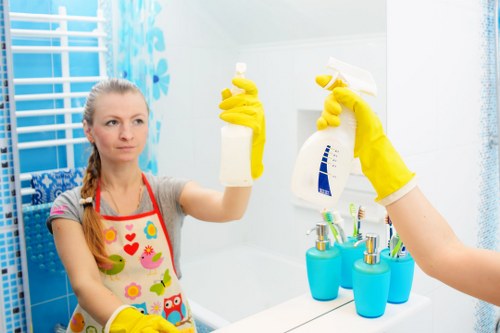
Deep cleaning is more than a routine chore; it is a focused, thorough process that reaches the hidden dirt, dust, grease, and buildup that everyday cleaning often misses. In busy homes, surfaces can look neat on the outside while still holding allergens, bacteria, and grime in less obvious places. That is why deep cleaning has become an essential part of maintaining a healthier and more comfortable living environment.
Unlike surface tidying, deep cleaning targets the areas that accumulate residue over time. Think behind appliances, under furniture, inside cabinets, along baseboards, around fixtures, and in the corners where dust settles unnoticed. These spaces can have a direct impact on indoor air quality, sanitation, and the overall appearance of a home. When done properly, deep cleaning can make a room feel brighter, fresher, and noticeably more organized.
It also plays an important role in reducing stress. A clean environment often creates a calmer mindset, and many people find that a proper deep cleaning session helps them feel more in control of their space. For households with children, pets, guests, or frequent activity, deep cleaning can be especially valuable because it refreshes the home beyond what regular cleaning routines can achieve.
What Deep Cleaning Includes

Deep cleaning services and deep cleaning routines generally include a more detailed approach than standard dusting and vacuuming. The focus is on areas that require extra effort, stronger attention, and often specialized cleaning products or tools. In many homes, this process includes scrubbing, degreasing, sanitizing, polishing, and removing buildup from surfaces that are frequently overlooked.
A deep cleaning checklist often covers kitchens, bathrooms, living areas, bedrooms, and entryways. In the kitchen, this may involve cleaning inside cabinets, wiping appliance exteriors and interiors, sanitizing sinks, and removing grease from backsplash areas. In bathrooms, it may involve grout scrubbing, toilet sanitizing, mirror polishing, and detailed fixture cleaning. Living spaces may require dusting vents, baseboards, ceiling fans, and trim.
Because every property is different, deep cleaning can also be customized. A smaller apartment may need a quicker but still detailed cleaning plan, while a large family home may require a more extensive process. Whether done seasonally, before an event, or as part of a routine home maintenance plan, deep cleaning is designed to restore a space to a higher standard of cleanliness.
Deep Cleaning vs. Regular Cleaning
Understanding the difference
Many people use regular cleaning and deep cleaning interchangeably, but the two serve different purposes. Regular cleaning is about maintaining order and basic hygiene. It usually includes tasks such as wiping counters, sweeping floors, taking out trash, and dusting visible surfaces. These tasks help keep a home presentable from day to day.
Deep cleaning, on the other hand, goes much further. It reaches the layers of dirt and buildup that ordinary maintenance does not address. This can include cleaning behind heavy furniture, inside appliances, and around hard-to-reach fixtures. The process is more time-consuming, more detailed, and often more physically demanding.
To put it simply, regular cleaning maintains a space, while deep cleaning transforms it. One keeps things under control; the other resets the environment. Both are important, but deep cleaning is what helps prevent grime from becoming entrenched and difficult to remove.
Quick comparison
- Regular cleaning: daily or weekly maintenance
- Deep cleaning: detailed periodic cleaning
- Regular cleaning: visible surfaces
- Deep cleaning: hidden and neglected areas
- Regular cleaning: faster and simpler
- Deep cleaning: more thorough and restorative
Benefits of Deep Cleaning for Homes and Lifestyles

The benefits of deep cleaning go far beyond appearance. A thoroughly cleaned home can support better health, better organization, and even better mental focus. Dust, pollen, pet dander, and other particles often settle in places that are not cleaned frequently. When those areas are addressed, the indoor environment can feel noticeably lighter and cleaner.
One major advantage is allergen reduction. For people sensitive to dust or environmental triggers, deep cleaning can reduce irritation by removing buildup from fabrics, corners, vents, and hidden surfaces. Another benefit is odor control. Musty smells, cooking odors, and stale air often linger because of residue in carpets, drains, upholstery, and trash areas. A proper cleaning routine can help neutralize those issues.
Deep cleaning also protects your investment. Floors, fixtures, appliances, and furniture last longer when maintained properly. Dirt and grease can cause wear over time, so removing them regularly helps preserve materials and keep surfaces in better condition. This makes deep cleaning both a health-related and cost-conscious decision.
Common benefits include:
- Improved indoor air quality
- Reduced dust and allergens
- Better hygiene in kitchens and bathrooms
- Longer-lasting surfaces and appliances
- Fresher-smelling rooms
- A more organized and inviting home
Rooms That Need the Most Attention
Some rooms require deeper attention than others because of how often they are used and what types of messes they collect. Kitchens and bathrooms are usually top priorities for deep cleaning because they are high-contact, high-moisture spaces where buildup can occur quickly. Bedrooms, living rooms, and entryways also benefit from periodic detailed care.
In the kitchen, grease, food particles, and spills can settle in surprising places. Deep cleaning here may include wiping cabinet fronts, cleaning behind the stove, scrubbing sinks, and removing residue from knobs and handles. In bathrooms, soap scum, mildew, and mineral buildup can cling to tiles, glass, and fixtures. These areas respond well to a meticulous deep cleaning approach.
Living spaces often accumulate dust on shelves, electronics, blinds, and upholstery. Bedrooms can hold dust under beds, inside closets, and along window sills. Entryways collect dirt from outside shoes and bags, making them another important target. In each room, the purpose of deep cleaning is to address what regular upkeep leaves behind.
Prioritize these spaces first
- Kitchen
- Bathrooms
- Bedrooms
- Living and family rooms
- Entryways and hallways
- Laundry and utility areas
Deep Cleaning Methods That Make a Difference

Effective deep cleaning depends on using the right methods in the right order. Starting with decluttering makes it easier to reach surfaces and prevent missed spots. After that, dusting from top to bottom ensures that loose particles fall to areas that will be cleaned later. This simple flow helps avoid repeating work and creates a more efficient process.
Another important technique is letting cleaners dwell for the proper amount of time. Many people apply a product and wipe too quickly, which reduces its effectiveness. For grime, soap scum, and grease, allowing the solution to sit briefly can loosen buildup and make scrubbing easier. A good deep cleaning approach is patient and methodical rather than rushed.
Microfiber cloths, scrub brushes, vacuum attachments, steam tools, and gentle disinfectants can all play a role. The best method depends on the surface. Wood, tile, glass, stainless steel, and fabric each require a slightly different approach. The goal is to clean thoroughly without causing damage.
Helpful techniques
- Work from top to bottom
- Declutter before scrubbing
- Use the right cleaner for each surface
- Allow products to sit before wiping
- Use tools for corners, edges, and gaps
- Finish with sanitizing high-touch areas
Deep Cleaning in the Kitchen
The kitchen is often the heart of the home, but it is also one of the fastest places to collect grime. Daily cooking can leave behind oil splatter, crumbs, sticky residue, and stains that are not always visible at first glance. A deep cleaning session in the kitchen helps restore order and hygiene.
Start with counters, backsplashes, and cabinet exteriors. Then move to appliances, paying attention to handles, seals, and hidden edges. The stove and oven often need special care because grease and baked-on residue can be difficult to remove. Don’t forget the sink area, where food particles and soap scum often gather.
Cabinet interiors, pantry shelves, and refrigerator drawers also deserve attention. These areas may accumulate crumbs, expired items, and spills that are easy to overlook during regular cleaning. By thoroughly addressing them, you create a more sanitary food-prep environment and a much more polished kitchen overall.
Kitchen deep cleaning targets
- Stove and oven surfaces
- Refrigerator shelves and drawers
- Sink and faucet fixtures
- Cabinet fronts and interiors
- Microwave interior and exterior
- Floor edges and corners
Deep Cleaning in Bathrooms
Bathrooms require regular maintenance, but they also need periodic deep cleaning to handle soap scum, mineral deposits, moisture buildup, and hidden germs. Because bathrooms are humid and frequently used, they can quickly develop stains and residue on tiles, grout, mirrors, tubs, and sinks.
Grout is one of the most important areas to focus on. Over time, it can trap dirt and discoloration that make a bathroom look older than it is. Scrubbing grout lines can dramatically improve the look of a shower or floor. Shower doors, tile edges, toilet bases, and sink hardware also need careful attention.
Bathrooms are also high-touch areas, so sanitizing is essential. Light switches, handles, faucets, and flush levers should be cleaned thoroughly. A detailed bathroom deep cleaning does more than improve appearance; it helps maintain a healthier and more pleasant space for everyone in the home.
Bathroom cleaning priorities
- Scrub tiles and grout
- Clean shower glass and tub surfaces
- Sanitize toilets and sinks
- Polish mirrors and fixtures
- Remove mildew and buildup
- Wipe high-touch points
Living Areas, Bedrooms, and Hidden Zones
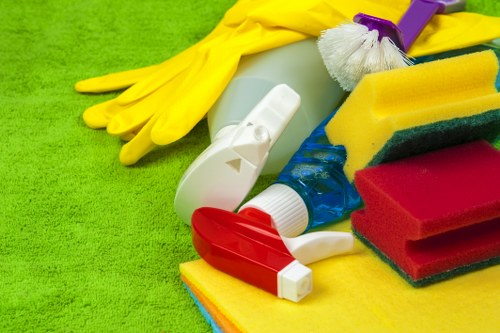
Living rooms and bedrooms may seem cleaner than kitchens and bathrooms, but they often contain some of the most overlooked dust and debris. Sofas, curtains, carpets, lamps, shelves, and under-bed spaces can collect particles gradually. A thoughtful deep cleaning process helps refresh these rooms and improve overall comfort.
Upholstery and fabric surfaces are especially important because they can trap dust and odors. Vacuuming cushions, cleaning under furniture, and dusting trim can make a noticeable difference. In bedrooms, focus on mattresses, headboards, closet floors, and window tracks. These areas are often skipped during regular cleaning but can hold a surprising amount of buildup.
Hidden zones matter too. Behind dressers, under sofas, along baseboards, inside vents, and around cords are all common dust collectors. Addressing these spots gives the home a truly refreshed feel. When you clean beyond the obvious areas, the difference in atmosphere is immediate and long-lasting.
How Often Should Deep Cleaning Be Done?
The right deep cleaning schedule depends on household size, activity level, pets, children, and personal preference. Some homes benefit from deep cleaning every month in certain areas, while others can follow a seasonal schedule. The key is consistency. If buildup is allowed to accumulate too long, the process becomes harder and more time-consuming.
For many households, a seasonal approach works well. That means deep cleaning several times a year, with extra attention to high-use areas when needed. Kitchens and bathrooms may require more frequent treatment, while closets, windows, and storage spaces may be handled less often. Homes with pets or allergies may need deeper cleaning more regularly.
It is also smart to schedule deep cleaning around specific events. Before holidays, family visits, move-ins, move-outs, and special gatherings, a detailed cleaning can help the home look and feel its best. Deep cleaning before and after busy times keeps the environment from becoming overwhelming.
Typical timing options
- Weekly: small targeted tasks
- Monthly: select high-use areas
- Seasonally: full-home refresh
- Before events: presentation-focused cleaning
- After renovations: dust and debris removal
DIY Deep Cleaning Tips for Better Results
Many homeowners like to handle deep cleaning themselves, and with the right plan, it can be very effective. A structured approach saves time and helps prevent missed areas. Begin by gathering your supplies so that you do not stop repeatedly during the process. Multi-surface cleaner, disinfectant, microfiber cloths, scrub brushes, gloves, and a vacuum with attachments are useful basics.
Work room by room and complete one zone before moving to the next. This keeps the task manageable and helps you see progress more clearly. Starting with the dirtiest spaces or the areas that bother you most can also be motivating. If a room looks overwhelming, break it into sections and clean each one separately.
Do not ignore small details. Switch plates, baseboards, door frames, cabinet handles, and vent covers are often the finishing touches that make deep cleaning feel complete. These details do not take long, but they significantly improve the final result and make the whole space feel fresher.
Smart DIY tips
- Create a checklist before starting
- Use storage bins to clear surfaces quickly
- Keep one cloth for dusting and one for sanitizing
- Test cleaners on delicate finishes
- Rinse or replace tools as they get dirty
- Finish with floors last
When Professional Deep Cleaning Makes Sense
Although many tasks can be handled independently, there are times when professional deep cleaning is the better option. Large homes, busy schedules, post-renovation dust, move-in or move-out needs, and heavy buildup can all make expert help worthwhile. Professionals often bring specialized tools, techniques, and efficiency that produce a more complete result in less time.
A professional deep cleaning service can also reduce physical strain. Scrubbing floors, reaching high areas, and moving furniture may be difficult for some people. In those cases, hiring skilled cleaners can be a practical choice. It can also be helpful if you want a one-time reset before starting your own maintenance routine.
If your home has not been deeply cleaned in a while, a professional visit can create a strong baseline. From there, it becomes easier to stay on top of regular upkeep. That is why many households choose to book deep cleaning periodically rather than waiting until a problem becomes overwhelming.
How to Keep Your Home Cleaner for Longer
Deep cleaning is most effective when paired with simple daily and weekly habits. Small actions can prevent dirt from building up again too quickly. Wiping spills right away, removing shoes at the door, and dusting frequently touched surfaces all help extend the results of your efforts.
It is also useful to build habits around maintenance. For example, cleaning the kitchen after cooking, wiping bathroom sinks weekly, and vacuuming high-traffic areas can reduce the need for constant intensive work. When upkeep is consistent, deep cleaning becomes easier and less stressful.
Storage matters as well. A more organized home collects less dust and is easier to clean. Baskets, bins, drawer organizers, and closet systems can reduce clutter, improve access, and make future cleaning faster. A clean home is not only about effort; it is also about creating systems that support easier maintenance.
Maintenance habits that help
- Do quick daily tidy-ups
- Vacuum and mop high-traffic areas regularly
- Wipe kitchen and bathroom surfaces often
- Declutter shelves and counters
- Wash linens and soft furnishings routinely
- Schedule recurring deep cleaning sessions
Final Thoughts on Deep Cleaning
Deep cleaning is one of the most valuable ways to maintain a healthy, attractive, and comfortable home. It reaches the spaces that regular upkeep often misses and helps create a cleaner, more refreshing environment overall. Whether you are tackling it yourself or planning to book help, the results can be dramatic.
From kitchens and bathrooms to bedrooms and hidden corners, every room benefits from a detailed approach. Over time, this kind of care supports better hygiene, better air quality, and better long-term maintenance. It also helps your home feel more inviting for the people who live there every day.
If your space is ready for a refresh, now is the perfect time to take action. Contact us today to learn how a professional deep cleaning can make a difference, or Book your service now to give your home the reset it deserves.