Communal Area Cleaning: A Practical Approach to Cleaner, Safer Shared Spaces
Communal area cleaning plays a vital role in maintaining healthy, attractive, and welcoming environments in apartment blocks, office buildings, housing estates, student accommodations, mixed-use properties, and other shared premises. When common spaces are clean, residents, visitors, and staff immediately notice the difference. Hallways feel fresher, entrances look more professional, lifts operate in a more pleasant setting, and shared facilities become easier to use. In short, communal area cleaning is not just about appearance; it supports hygiene, safety, comfort, and property value.
In busy shared buildings, dirt builds up quickly. Foot traffic brings in dust, mud, and debris. Handles, railings, light switches, and buttons collect germs. Spills, litter, and odors can spread from one area to another if regular maintenance is neglected. That is why a structured approach to communal area cleaning services is essential for any property owner or manager who wants to keep spaces in excellent condition. Whether the building is small or large, the standard of cleaning directly affects how people experience the property.
Many people only think about cleaning when something looks visibly dirty, but effective shared area maintenance goes much deeper. It includes planned routines, suitable equipment, trained staff, and the right cleaning products for each surface. It also involves consistency. A one-time deep clean may improve the look of a building temporarily, but ongoing communal area cleaning is what delivers lasting results. This article explores what the service involves, why it matters, and how to get the best outcomes from it.
What Communal Area Cleaning Includes
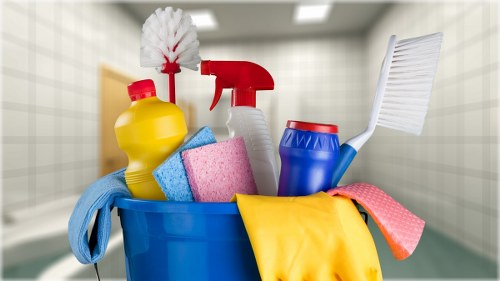
Communal area cleaning refers to the upkeep of spaces shared by multiple people in residential, commercial, or mixed-use buildings. These areas may be used dozens or even hundreds of times each day, so they need regular attention. The exact cleaning routine depends on the property type, but the goal remains the same: keep shared areas hygienic, safe, and presentable.
Typical tasks in communal area cleaning often include sweeping, vacuuming, mopping, dusting, wiping touchpoints, removing litter, polishing visible surfaces, and checking for issues such as spills or blockages. In some properties, the work also includes cleaning mail areas, stairwells, reception points, lifts, and shared washrooms. A well-planned service is adapted to the building’s layout and the level of foot traffic it receives.
It is also important to remember that communal cleaning is not the same as occasional tidying. It is a structured service that keeps shared spaces consistently maintained. By establishing a routine and focusing on high-contact zones, cleaning teams can reduce grime buildup and help prevent avoidable problems. This is one of the main reasons property managers invest in professional communal area cleaning rather than relying on irregular, informal efforts.
Why Communal Area Cleaning Matters
There are several reasons why communal area cleaning should be treated as a priority. First, it supports hygiene. Shared environments can quickly become hotspots for germs, especially when many people touch the same surfaces every day. Regular cleaning and disinfection reduce the spread of bacteria and viruses, helping protect the people who live or work in the building.
Second, it improves safety. A dirty or neglected communal area can create hazards such as slips, trips, and falls. Wet floors, cluttered corridors, and dirty stairways can all increase risk. Routine common area cleaning helps identify and resolve these issues before they become serious. A clean environment is often a safer environment.
Third, it enhances the look and feel of a property. First impressions matter, especially in residential blocks, office complexes, and rental properties. Fresh-smelling lobbies, polished floors, and neatly maintained hallways create a positive experience for occupants and guests. Communal area cleaning can also contribute to higher tenant satisfaction and may support stronger property reputation over time.
Key benefits at a glance
- Reduces the spread of germs on shared surfaces
- Improves safety by removing spills, dirt, and debris
- Creates a more welcoming atmosphere
- Helps preserve flooring, fixtures, and finishes
- Supports a professional image for the building
Areas Commonly Covered in Communal Area Cleaning

Every building is different, but some areas are commonly included in a communal area cleaning schedule. These are the spaces that receive frequent use and therefore need regular upkeep. Hallways, staircases, entrances, lifts, landings, and reception areas are usually top priorities because they are the first areas people encounter and the most heavily used throughout the day.
Shared kitchens, laundry rooms, bike storage rooms, bin stores, and washrooms may also require attention depending on the property type. In some buildings, service corridors, post areas, and waiting areas are part of the routine. The more people use a space, the more important it becomes to clean it properly and often. This is especially true in apartment complexes and office buildings where traffic is constant.
In addition to standard surfaces, communal cleaning services often include touchpoint cleaning. These are the points that people regularly contact with their hands, such as door handles, banisters, lift buttons, switches, intercom panels, and handrails. Because these surfaces are touched frequently, they can spread dirt and germs quickly. Including them in the cleaning plan is one of the smartest ways to maintain a healthy shared environment.
Common tasks often included
- Vacuuming carpets and runners
- Mopping hard floors
- Dusting skirting boards, ledges, and surfaces
- Cleaning entrance mats
- Wiping touchpoints and fittings
- Removing cobwebs and loose debris
- Emptying communal bins
The Role of Professional Cleaning Teams
Professional cleaning teams bring skill, consistency, and efficiency to communal area cleaning. Instead of applying a one-size-fits-all approach, they assess the property and create a plan that matches its needs. They know which products work best on different surfaces, how to clean high-traffic areas without disrupting occupants, and how to maintain standards over time. This expertise makes a noticeable difference in the quality of the result.
Another advantage of hiring trained cleaners is reliability. Shared spaces need regular attention, and missed visits can quickly lead to visible buildup. A professional provider follows a schedule and understands the importance of accountability. This gives property managers peace of mind and ensures shared area cleaning continues even when demand is high or seasonal conditions increase dirt and debris.
Professional cleaners also use equipment designed for efficiency and hygiene. From microfiber cloths to industrial vacuums and eco-friendly detergents, the right tools can improve both the speed and the quality of the work. In many cases, a specialist team can also offer deep cleaning, sanitizing, and periodic maintenance alongside the usual routine. If you want dependable communal area cleaning, working with experienced staff is often the best approach.
What professional cleaners bring to the job
- Consistent standards across all visits
- Knowledge of surface-safe products and methods
- Reduced workload for property managers
- Better hygiene in high-traffic zones
- Flexible scheduling to suit residents or businesses
How Often Should Communal Areas Be Cleaned?
The frequency of communal area cleaning depends on the size of the building, the number of people using it, and the type of spaces involved. A small residential property may only need weekly attention, while a busy apartment block or commercial property may require daily or even multiple visits per day. High-traffic buildings almost always need more frequent care because dirt accumulates faster and touchpoints are used more often.
For many properties, a balanced schedule combines regular surface cleaning with periodic deep cleaning. Routine visits handle the most visible and urgent tasks, while deeper maintenance targets hard-to-reach spaces, stubborn buildup, and neglected corners. This layered approach is especially effective in communal area cleaning services because it keeps both appearance and hygiene at a consistently high level.
Seasonal changes should also be considered. In wet or muddy weather, entrances and stairwells may need more frequent attention due to dirt being tracked inside. During warmer months, bins, shared waste areas, and ventilation points may need extra care to prevent odors and pest problems. A flexible common area cleaning plan is far more effective than a fixed routine that ignores changing conditions.
Factors that affect cleaning frequency
- Number of occupants or visitors
- Building type and size
- Weather and seasonal debris
- Presence of shared amenities
- Local foot traffic levels
Best Practices for Effective Communal Area Cleaning
To get the best results, communal area cleaning should follow clear best practices. The first is having a proper schedule. When cleaning is planned in advance, nothing is left to chance. Property managers can identify priority areas, set realistic visit times, and make sure the work is carried out consistently. A written plan also helps maintain accountability and ensures no important space is overlooked.
The second best practice is using suitable products and equipment. Different surfaces require different care. For example, polished flooring, tiles, carpet, glass, and stainless steel all need methods that protect the finish while removing dirt effectively. Using the wrong chemicals can damage materials, while using the right ones can extend the life of the property’s surfaces. This is another reason why professional communal area cleaning is often worth the investment.
The third best practice is focusing on touchpoints and high-use zones. These are the places where dirt and germs spread most easily. A clean floor matters, but so do handles, switches, intercoms, and lift buttons. Including these in the routine makes the cleaning more complete. It also supports a healthier building overall, which is especially valuable in busy residential and workplace settings.
Practical tips for property managers
- Create a clear cleaning timetable for shared areas
- Prioritize entrances, stairways, and lift areas
- Inspect results regularly to maintain standards
- Choose cleaners with experience in shared environments
- Adjust the schedule when traffic or weather changes
Communal Area Cleaning and Tenant Experience
Tenant experience is strongly influenced by the condition of shared spaces. Residents may not always notice excellent cleaning immediately, but they certainly notice when it is missing. Overflowing bins, dusty ledges, dirty floors, and unpleasant odors can lead to dissatisfaction and complaints. On the other hand, clean and orderly spaces make people feel more comfortable and respected in their building.
In rental properties and apartment complexes, communal area cleaning can even affect retention. When common spaces are well maintained, occupants are more likely to feel positive about the property and the management behind it. This does not only improve day-to-day living; it also helps build trust. A clean environment signals that the building is looked after properly and that the people responsible take standards seriously.
For landlords and managers, the benefits go beyond satisfaction. Good cleaning standards can support smoother operations by reducing complaints and lowering the likelihood of avoidable maintenance issues. Dirt and neglect often hide small problems until they become bigger and more expensive. Regular communal area cleaning helps spot issues early, such as leaks, broken fittings, or damaged flooring, making it easier to respond quickly.
Common Challenges in Shared Space Cleaning
Communal area cleaning is rewarding, but it also comes with challenges. One of the biggest is heavy foot traffic. When dozens of people pass through the same entrances and corridors each day, dirt can reappear almost immediately after cleaning. This makes consistency essential. Without a reliable schedule, shared areas can slip back into poor condition very quickly.
Another challenge is varied usage. One day a building may be quiet, and the next it may have deliveries, visitors, or events that increase cleaning needs. Shared spaces can also be affected by residents placing items in corridors, leaving rubbish behind, or tracking in mud and moisture. A strong communal area cleaning plan must anticipate these issues and respond efficiently when they occur.
Budget limitations are also common. Some properties try to reduce cleaning costs by cutting back visits, but this often creates larger expenses later through repairs, complaints, or deeper restoration work. It is usually more cost-effective to maintain a steady cleaning routine than to let conditions deteriorate. In that sense, shared area cleaning is both a practical and financial investment.
How to overcome these challenges
- Use a schedule based on real usage levels
- Adjust routines after bad weather or high-traffic periods
- Set clear rules for residents or users of shared spaces
- Invest in routine maintenance rather than reactive fixes
- Review the service regularly to keep standards high
Eco-Friendly Approaches to Communal Area Cleaning
Many property managers now look for greener ways to maintain shared spaces. Eco-friendly communal area cleaning uses products and methods designed to reduce environmental impact while still delivering strong results. This may include low-toxicity detergents, microfiber cleaning materials, water-efficient tools, and responsible waste handling. These choices can support sustainability goals without sacrificing cleanliness.
Green cleaning is especially appealing in residential and workplace settings where people are sensitive to harsh chemicals or strong odors. Using safer products can help improve indoor air quality and create a more pleasant environment for everyone. It also shows that the building’s management is thinking carefully about long-term wellbeing and environmental responsibility. For many clients, that is a valuable part of modern communal area cleaning services.
Of course, eco-friendly does not mean less effective. When selected properly, sustainable methods can deliver excellent results across floors, surfaces, glass, and fixtures. The key is training and product knowledge. A skilled team knows how to combine efficiency with environmental care, making communal cleaning both responsible and effective.
Choosing the Right Communal Area Cleaning Service
Selecting the right service provider is one of the most important decisions a property manager can make. Look for a company that understands the specific demands of communal area cleaning and can tailor its service accordingly. Experience in residential blocks, commercial properties, or mixed-use buildings is a strong sign that the provider can handle diverse needs with confidence.
It is also wise to ask about scheduling flexibility, staff training, insurance, quality checks, and the products used. A professional service should be able to explain how it manages high-traffic areas, touchpoints, and special requirements such as deep cleaning or seasonal maintenance. Clear communication and consistent delivery matter just as much as the cleaning itself.
Finally, think about long-term value rather than only short-term cost. The cheapest option is not always the best if standards are inconsistent or follow-up is poor. A dependable communal area cleaning provider protects the appearance, safety, and function of the property over time. That makes it a smart operational decision as well as a practical one.
Questions worth asking before hiring
- How often will the shared spaces be cleaned?
- What tasks are included in the standard service?
- Do you offer deep cleaning or periodic extras?
- How do you handle high-touch surfaces?
- What quality control checks are in place?
Why Consistency Matters More Than Occasional Cleaning
One-off cleaning jobs may improve the appearance of a building for a day or two, but they do not solve the underlying problem of ongoing dirt buildup. The real value comes from consistency. When communal area cleaning happens at regular intervals, the property stays ahead of grime, odors, and wear. This keeps standards stable and prevents spaces from reaching a neglected state.
Consistency also helps occupants feel that the building is well managed. People notice when common spaces are always reasonably clean and cared for. That sense of order has a subtle but powerful effect on the atmosphere of the property. It supports professionalism, comfort, and trust. In many cases, it is the difference between a building that feels looked after and one that feels forgotten.
For this reason, the most effective approach is not just to clean when problems appear, but to create a dependable routine and stick to it. Whether the property is large or small, regular communal area cleaning keeps the environment in better shape and reduces the likelihood of future issues. Prevention is always easier than recovery.
Final Thoughts on Communal Area Cleaning
Communal area cleaning is a crucial service for any building with shared spaces. It supports hygiene, safety, presentation, and occupant satisfaction. From hallways and entrances to lifts, stairs, and communal facilities, every shared area benefits from a structured cleaning plan. The cleaner the environment, the better the experience for everyone who uses it.
Whether you manage residential apartments, office premises, or mixed-use properties, investing in reliable communal area cleaning services is a practical way to protect your building and its reputation. With the right team, the right schedule, and the right standards, shared spaces can stay clean, welcoming, and efficient all year round. If you want to improve the condition of your property, contact us today and book your service now.
By taking communal area cleaning seriously, you create a healthier and more professional environment that people appreciate every day. Clean shared spaces are not a luxury; they are an essential part of good property management and a better living or working experience.