Upholstery Cleaning in Modern Homes: A Practical, Stylish, and Healthier Approach
Upholstery cleaning is one of the most overlooked parts of home care, yet it has a major impact on comfort, appearance, and indoor air quality. Sofas, armchairs, dining chairs, ottomans, and other upholstered furniture collect dust, oils, spills, pet hair, allergens, and everyday grime faster than many people realize. When upholstery cleaning is done properly, it can restore the look of your furniture, reduce odors, and extend the lifespan of fabrics and cushioning.
For homeowners, renters, property managers, and business owners, upholstery cleaning is not just about aesthetics. It is also about maintaining a cleaner and healthier environment. A well-maintained sofa or chair feels more inviting, smells fresher, and supports the overall impression of a room. Whether you are trying to refresh a family living room, prepare a property for sale, or maintain commercial seating, upholstery cleaning plays a valuable role.
In today’s homes, furniture is used constantly. That means upholstery absorbs more than just visible dirt. It can trap allergens, bacteria, body oils, and airborne particles over time. Regular upholstery cleaning helps address these hidden issues while keeping fabrics soft, vibrant, and attractive. Professional upholstery cleaning and thoughtful at-home maintenance work together to protect both appearance and hygiene.
Why Upholstery Cleaning Matters
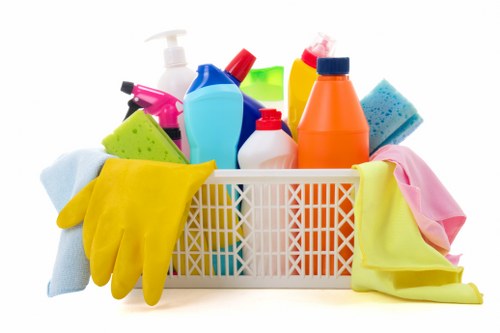
Upholstery is exposed to daily wear in a way that many other household surfaces are not. People sit, lounge, eat, nap, and work on upholstered furniture, making it a high-contact area that quickly accumulates contaminants. Upholstery cleaning removes built-up soil and prevents dirt from grinding deeper into fibers, where it becomes harder to extract later.
One of the biggest reasons people invest in upholstery cleaning is to preserve the look of their furniture. Stains, dull patches, and lingering odors can make even quality pieces appear old and neglected. Routine care helps keep colors brighter and textures more appealing. Clean upholstery creates a polished feel throughout a room and supports a more welcoming atmosphere.
There is also a health-related benefit. Dust mites, pet dander, pollen, and other particles can settle in upholstery and trigger allergies or sensitivities. Upholstery cleaning reduces these irritants and contributes to better indoor air quality. For households with children, pets, or allergy sufferers, that benefit can be especially important.
Common Upholstery Problems That Cleaning Can Address
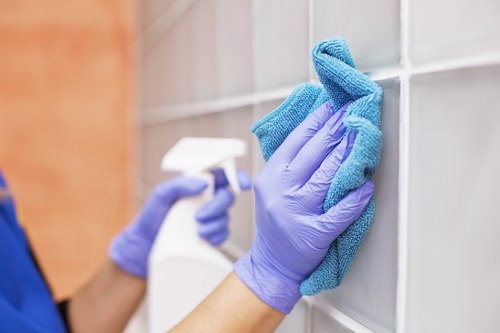
Different fabrics and usage patterns lead to different issues, but most upholstered furniture experiences a similar range of problems over time. Understanding these issues helps you see why upholstery cleaning should be part of a regular maintenance routine. Some problems are visible, while others are hidden beneath the surface.
Visible issues often include stains from food, drinks, makeup, ink, mud, or pet accidents. Even a small spill can leave a lasting mark if it is not treated correctly. Dirt and body oils also create dark patches on armrests, seat cushions, and headrests, especially in areas that receive frequent use. Upholstery cleaning can remove many of these blemishes and improve the overall finish of the fabric.
Another common concern is odor. Furniture can absorb smells from pets, smoke, cooking, humidity, and everyday living. These odors tend to linger in fibers and padding, making rooms feel less fresh. Deep upholstery cleaning helps neutralize trapped smells rather than simply masking them.
Typical upholstery issues include:
- Spills and food stains
- Pet hair and dander
- Body oils and skin residue
- Dust buildup and embedded debris
- Odors from smoke, pets, or moisture
- Fabric fading from sun exposure
- Flattened or matted texture in high-use areas
Types of Upholstery Fabrics and Why They Need Different Care

Not all upholstery is the same, and successful upholstery cleaning starts with understanding the fabric. Different materials react differently to water, heat, cleaning solutions, and friction. Using the wrong method can cause shrinking, discoloration, texture damage, or residue buildup. That is why fabric identification is such an important step before any cleaning begins.
Natural fabrics such as cotton, linen, wool, and silk often require gentler treatment than synthetic options. These materials may be more absorbent and more sensitive to over-wetting. On the other hand, synthetic fabrics like polyester, microfiber, olefin, and acrylic are often more resilient and easier to maintain. However, they still need careful upholstery cleaning to avoid leaving behind sticky residue or water spots.
Leather and faux leather are in a category of their own. While technically not fabric upholstery, they still require specialized cleaning and conditioning. Leather can crack or dry out if it is cleaned too aggressively or with the wrong product. Proper upholstery cleaning for leather focuses on safe surface cleaning, moisture control, and conditioning where appropriate.
Care considerations by fabric type:
- Cotton and linen: prone to staining and may require gentle moisture control
- Microfiber: needs proper agitation and residue-free cleaning
- Wool blends: sensitive to heat and harsh chemicals
- Leather: requires cleaning plus conditioning
- Silk or delicate blends: best handled with specialized methods
Always check the manufacturer’s cleaning code if available. These codes often indicate whether a piece can be cleaned with water-based solutions, solvent-based products, or only professional treatment. This small step helps ensure upholstery cleaning is safe and effective.
How Upholstery Cleaning Works
Upholstery cleaning is more than a quick surface wipe. It typically involves a series of steps designed to loosen dirt, lift embedded soil, and remove residues without damaging the material. While methods vary depending on the fabric and level of soiling, the overall goal is the same: restore cleanliness while protecting the integrity of the upholstery.
The process often begins with a detailed inspection. This helps identify fabric type, visible stains, odor sources, and any delicate areas that need special attention. Pre-vacuuming is usually the next step, removing loose dirt, crumbs, hair, and dust from the surface and crevices. This stage is important because it prevents dry debris from turning into mud during cleaning.
After inspection and vacuuming, a suitable cleaning method is selected. This may include hot water extraction for some synthetic fabrics, low-moisture cleaning for sensitive materials, dry cleaning techniques for delicate upholstery, or specialized stain treatments. Effective upholstery cleaning removes grime from both the fabric and the deeper layers close to the cushioning, helping furniture look and feel refreshed.
Common upholstery cleaning steps:
- Inspect the fabric and identify cleaning codes
- Vacuum thoroughly to remove loose debris
- Pre-treat stains and heavily used areas
- Apply the appropriate cleaning solution
- Agitate gently when needed to loosen soil
- Extract or wipe away soil and moisture
- Allow proper drying and post-cleaning grooming
The drying stage matters just as much as the cleaning stage. Too much moisture can lead to mildew, lingering dampness, or fabric distortion. Proper ventilation and controlled moisture use are key parts of quality upholstery cleaning.
Benefits of Professional Upholstery Cleaning
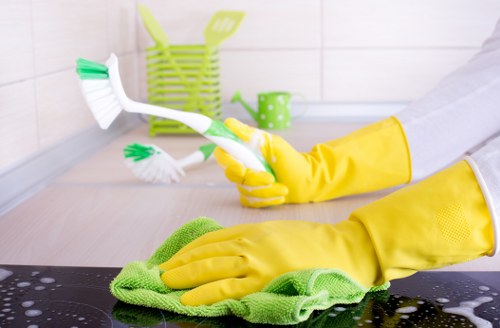
Many people do a decent job of spot cleaning at home, but professional upholstery cleaning offers deeper and more consistent results. Professionals bring experience, equipment, and fabric knowledge that can be difficult to match with household products. This often makes a significant difference in the final appearance and longevity of furniture.
One major advantage is the ability to remove embedded soil more effectively. Professional-grade equipment can reach deeper into fibers and extract contaminants that simple surface cleaning may leave behind. This is especially useful for sofas and chairs that have been used heavily for years. In addition, professionals can choose solutions suited to specific fabric types, reducing the risk of damage.
Another benefit is time savings. Cleaning large pieces of furniture on your own can be labor-intensive and frustrating, particularly if stains are stubborn or the fabric is delicate. Professional upholstery cleaning streamlines the process and helps ensure a more even, polished result. For busy households, that convenience alone can be a major advantage.
Professional cleaning can help with:
- Deep-set dirt and grime
- Persistent odors
- Allergen reduction
- Stain removal support
- Fabric-safe treatment selection
- Faster, more thorough drying in many cases
For high-value furniture, professional upholstery cleaning can also help protect your investment. A quality sofa or chair is not inexpensive, and regular care can delay the need for replacement. In that sense, cleaning is not just maintenance; it is a practical financial decision.
DIY Upholstery Cleaning Tips for Everyday Maintenance
Simple habits that protect your furniture
Not every cleaning task requires a professional visit. Homeowners can take several practical steps to keep upholstery in better condition between deeper cleanings. The key is consistency and care. Small routines can help reduce buildup and make future upholstery cleaning easier.
Vacuuming upholstery weekly or biweekly is one of the simplest and most effective habits. Use an upholstery attachment and pay special attention to seams, cushions, and corners where dust and crumbs collect. Regular vacuuming helps prevent dirt from settling deeper into the fabric. It also keeps pet hair and allergens under control.
Blot spills immediately rather than rubbing them. Rubbing can spread the stain and push it deeper into the fibers. Instead, use a clean white cloth and gently press to absorb as much liquid as possible. If appropriate for the fabric, a mild cleaning solution can be tested in an inconspicuous area before broader use. This helps avoid surprises during upholstery cleaning.
Useful at-home maintenance habits:
- Vacuum regularly with a soft brush attachment
- Rotate and flip cushions when possible
- Use throws or covers in high-traffic homes
- Keep food and drinks away from light-colored upholstery
- Address stains quickly and carefully
- Open windows or improve ventilation to reduce trapped odors
It is also wise to avoid over-wetting fabrics. Too much water can leave rings, damage padding, or cause long drying times. If you are unsure, start with the least aggressive method. For valuable, delicate, or heavily stained furniture, professional upholstery cleaning is often the safer choice.
How Often Should Upholstery Be Cleaned?
The frequency of upholstery cleaning depends on how the furniture is used, who lives in the home, and what type of upholstery is involved. A family sofa in a busy living room will generally need more attention than a guest chair in a low-traffic space. There is no single schedule that fits every situation, but a regular plan helps keep furniture in better shape.
As a general rule, professional upholstery cleaning is often recommended every 12 to 24 months for standard residential use. Homes with pets, children, smokers, or allergy concerns may benefit from more frequent cleaning. Light maintenance in between professional visits can help prolong freshness and reduce the buildup of dust and grime.
For commercial settings such as waiting rooms, hospitality spaces, offices, and rental properties, upholstery cleaning may need to happen more often. High traffic means faster wear and faster accumulation of dirt, body oils, and odors. Staying ahead of the buildup keeps the space looking professional and more inviting. Routine upholstery cleaning can significantly extend the life of commercial seating.
Signs it is time to clean upholstery:
- Noticeable stains or spots
- Lingering odors
- Fabric looks dull or darkened
- More allergy symptoms indoors
- Dust or hair collects quickly
- Furniture feels sticky or grimy
Choosing the Right Upholstery Cleaning Method
The right upholstery cleaning method depends on several factors, including fabric type, stain severity, odor source, and drying needs. A careful evaluation helps determine whether a water-based method, solvent-based treatment, or low-moisture process is most appropriate. Choosing correctly matters because an effective method should clean thoroughly without compromising the fabric.
Hot water extraction is common for many synthetic fabrics and can be very effective at removing deep soil. Low-moisture methods are useful when quick drying is important or when fabrics are more sensitive. Dry cleaning methods may be preferred for certain delicate materials that cannot tolerate excess moisture. In some cases, targeted stain treatment is used before or after the main upholstery cleaning process to improve results.
It is also helpful to consider the condition of the padding beneath the fabric. Upholstery can hold more moisture than people expect, especially when spills have soaked into the inner layers. A good upholstery cleaning approach accounts for this by using controlled moisture and careful extraction. The goal is always to clean effectively while protecting structure and shape.
What affects method selection?
- Fabric type and manufacturer instructions
- Presence of stains or odors
- Age and condition of the furniture
- Colorfastness and sensitivity of dyes
- Drying time and room ventilation
When in doubt, choosing a safer method is usually better than forcing aggressive treatment. Upholstery cleaning should improve the piece, not create a new problem.
Upholstery Cleaning for Homes with Pets and Children
Households with pets and children often need upholstery cleaning more frequently because furniture is used more intensively. Pets shed hair, track in dirt, and occasionally create accidents. Children may spill drinks, snack on couches, or leave behind sticky marks. None of this is unusual, but it does mean upholstery requires closer attention.
One practical strategy is to build a routine around prevention and maintenance. Washable throws, regular vacuuming, and immediate spill cleanup can reduce damage. Still, even the most careful households benefit from professional upholstery cleaning from time to time. Deep cleaning helps remove residues that everyday maintenance cannot fully address.
For homes with pets, odor control is often a top priority. Pet hair can also become deeply embedded in fabric, especially in woven or textured upholstery. Professional upholstery cleaning can make a noticeable difference in freshness and appearance. If allergies are a concern, cleaner upholstery may also support a more comfortable indoor environment.
Families often discover that upholstery cleaning is easier when it is done before visible damage becomes severe. Keeping furniture in better condition from the start reduces the likelihood of permanent staining or long-term odor retention.
Why Upholstery Cleaning Improves Interior Appearance
Furniture is one of the largest visual elements in any room. When upholstery looks dull, stained, or worn, the entire space can feel tired. On the other hand, clean upholstery immediately enhances the look of a room by making it seem brighter, fresher, and more cared for. This is especially important in living spaces, rental properties, hospitality environments, and offices where first impressions matter.
Fresh upholstery can also complement other interior design elements. Clean lines, vibrant fabric, and even texture help the room feel cohesive. Upholstery cleaning supports this effect by removing visual distractions such as darkened seat cushions or uneven spotting. Even a simple refresh can dramatically improve how a room feels.
In preparation for events, photographs, property showings, or seasonal decorating, upholstery cleaning can be a smart finishing touch. It helps other décor choices stand out and gives the space a more polished presentation. When the furniture looks cared for, the whole room feels more intentional.
Making Upholstery Cleaning Part of a Smart Maintenance Plan
Upholstery cleaning works best as part of an ongoing maintenance plan rather than a one-time fix. Consistency helps preserve furniture, reduce buildup, and make routine care easier. This does not mean you need a rigid or complicated schedule. Instead, small, manageable habits can make a big difference over time.
Start by identifying how each upholstered piece is used. A dining chair used daily may need more attention than a decorative armchair. Create a basic schedule that includes vacuuming, spot treatment, and occasional deeper cleaning. Keep an eye on signs of wear so that issues are addressed early rather than after they become more difficult to remove.
If you decide to use a professional service, consider upholstery cleaning as part of a broader home care strategy. Pair it with carpet care, dust management, and regular air filtration for stronger overall results. A cleaner home is usually the result of multiple small habits working together. Upholstery maintenance is one of those habits that pays off in comfort and presentation.
Contact us today to discuss the best approach for your furniture and lifestyle. Whether you need routine upkeep or help with stubborn stains, the right upholstery cleaning plan can make your home feel noticeably fresher. Book your service now and give your seating the attention it deserves.
Final Thoughts on Upholstery Cleaning
Upholstery cleaning is a practical, valuable, and often transformative part of home and business maintenance. It protects your furniture, improves indoor freshness, reduces allergens, and helps your space look its best. From routine vacuuming to professional deep cleaning, every step contributes to better fabric care and a cleaner environment.
Because upholstery absorbs daily life so quickly, it deserves regular attention. Whether your priority is stain removal, odor reduction, fabric preservation, or overall cleanliness, upholstery cleaning delivers meaningful results. With the right methods and a consistent routine, your furniture can stay attractive and comfortable for years to come.
If your sofa, chairs, or other upholstered pieces are ready for a refresh, now is the ideal time to take action. Professional upholstery cleaning can restore beauty, support a healthier home, and make everyday spaces more enjoyable. Take the next step and keep your furniture looking its best.