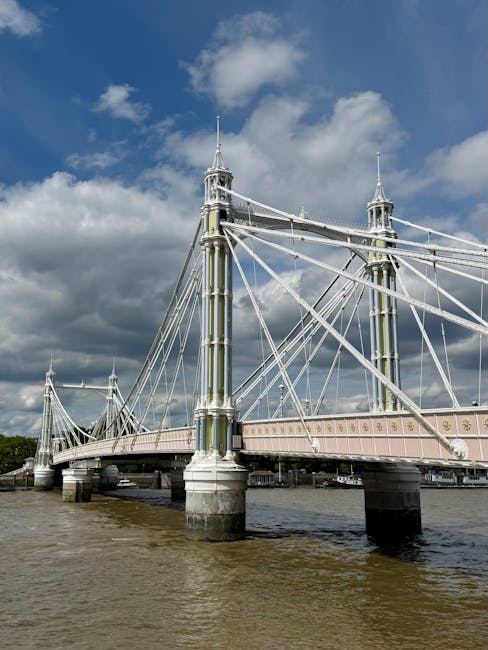
Hammersmith Bridge exterior cleaning specialists: a practical guide to safe, careful, long-lasting results
If you are looking for Hammersmith Bridge exterior cleaning specialists, you are probably not just trying to make stone, metal, brick, or painted surfaces look a bit smarter. You want work that is careful, safe, and suited to a structure that matters. Exterior cleaning on a bridge, especially one that sees weather, traffic pollution, moisture, and constant public attention, is not the same as washing down a house wall on a Saturday morning. The detail matters. The method matters. And, to be fair, the margin for error can be tiny.
This guide explains what specialist exterior cleaning involves, why it matters, how the process usually works, and what to check before you book anyone in. It also covers practical risks, best practices, compliance considerations, and the questions people often forget to ask until the last minute. If you are comparing options, managing a building, or simply trying to understand the job properly, this should help.
Table of Contents
- Why Hammersmith Bridge exterior cleaning specialists matters
- How Hammersmith Bridge exterior cleaning specialists works
- Key benefits and practical advantages
- Who this is for and when it makes sense
- Step-by-step guidance
- Expert tips for better results
- Common mistakes to avoid
- Tools, resources and recommendations
- Law, compliance, standards or best practice
- Options, methods, or comparison table
- Case study or real-world example
- Practical checklist
- Conclusion
- Frequently asked questions
Why Hammersmith Bridge exterior cleaning specialists Matters
Exterior cleaning on a bridge is partly about appearance, yes, but it is also about preservation. Surface grime, algae, soot, dust, bird fouling, and runoff marks do more than dull the finish. Left alone, they can trap moisture, stain porous materials, and make it harder to spot early signs of wear. That is especially relevant on older or architecturally significant structures, where gentle cleaning is usually better than aggressive treatment.
A specialist understands that different materials need different approaches. A painted metal rail, a decorative stone element, a brick parapet, and a glazed or coated surface all respond differently to pressure, water, chemistry, and brushing. One careless pass with the wrong kit can leave streaking, etching, or worse. Nobody wants that conversation afterwards. Not in daylight, not in winter, not ever.
There is also a public-facing side to the work. A bridge is visible to commuters, residents, cyclists, river users, and visitors. If the exterior looks neglected, people notice quickly. A clean, well-kept finish can make a big difference to how the structure is perceived, and that matters for anyone responsible for its maintenance or reputation.
For related property upkeep and periodic cleaning needs, some clients also review options such as deep cleaning, regular cleaning, or one-off cleaning when planning broader maintenance schedules.
How Hammersmith Bridge exterior cleaning specialists Works
The process usually starts with a survey or site assessment. The cleaning team looks at the surface type, the level of contamination, access points, sensitive features, nearby footpaths or roads, drainage, and any areas where water runoff could create issues. In specialist work, the assessment is not a box-ticking exercise. It drives the whole method.
From there, the cleaner decides whether the job needs low-pressure washing, soft washing, hand cleaning, controlled chemical application, steam-based treatment, or a combination. The right choice depends on the material and the contamination. For example, heavy pressure might be fine for some resilient hard surfaces but unsuitable for aged masonry or delicate decorative details. It is not glamorous, but it is where professional judgement earns its keep.
Access planning comes next. Some parts of a bridge can only be reached safely with managed access arrangements, specialist platforms, or controlled working zones. A proper contractor should think about exclusion areas, signage, weather conditions, equipment staging, and how to avoid interrupting nearby users more than necessary. You do not want a messy setup that creates more problems than it solves.
After that, the cleaning itself is carried out in stages. A typical job may involve:
- pre-wetting or protection of sensitive surfaces
- application of a suitable cleaning solution
- careful dwell time so the product can work properly
- gentle agitation where needed
- controlled rinsing
- spot treatment for stubborn staining
- final inspection and touch-ups
A good team will also manage wastewater responsibly and keep an eye on slip risks. You would be surprised how often that final part gets rushed. Yet in real life, that is the bit everyone walks past afterwards.
Key Benefits and Practical Advantages
There is a straightforward benefit: the bridge looks better. But the stronger reasons are often the quieter ones.
1. Better protection for surfaces
Regular, appropriate cleaning reduces the build-up of pollutants, organic growth, and staining that can shorten the life of exterior finishes. On more delicate surfaces, this can help reduce the need for more invasive restoration later.
2. Easier inspection and maintenance
When grime is removed, defects become easier to spot. Cracks, loose joints, paint failure, corrosion, or signs of water ingress can be noticed sooner. That is a big practical advantage, especially on infrastructure where minor issues can become expensive if ignored.
3. Safer working conditions around the site
Professional exterior cleaning is usually planned with safety in mind: controlled access, suitable equipment, clear communication, and careful handling of runoff. That creates a better environment not just for the workers, but for the people moving around nearby.
4. Better public presentation
Let's face it, people judge visible structures quickly. A cleaner exterior gives a stronger impression of care and stewardship. For landmarks, transport links, or buildings with public visibility, that matters more than many people admit out loud.
5. More suitable treatment for mixed materials
Specialists are better equipped to deal with multiple surface types on one structure. That is often where generalists struggle. What works beautifully on one section can be far too harsh on another.
Expert summary: The best exterior cleaning result is usually the one that looks discreet, respectful, and even. If the process draws attention to itself, it may have been too aggressive.
Who This Is For and When It Makes Sense
Specialist exterior cleaning makes sense for anyone responsible for a bridge or similarly exposed structure that needs careful upkeep. In practice, that could include asset managers, facilities teams, local property stakeholders, maintenance contractors, heritage-sensitive projects, or organisations handling public-facing infrastructure.
You may need this service if you notice:
- green or black algae growth
- dark streaks from runoff or pollution
- buildup around joints, ledges, or decorative details
- bird fouling or organic debris
- staining after building work nearby
- patchy discolouration that makes the structure look tired
It can also be sensible after periods of poor weather, construction activity, or seasonal debris buildup. Spring and late autumn are common moments to assess the exterior, although timing depends on site access and operational needs. Some jobs are clearly more urgent than others. If the surface is becoming slippery, visibly degraded, or harder to inspect, waiting rarely helps.
For organisations managing larger premises or mixed-use sites, there may be overlap with commercial cleaning and communal area cleaning, especially where access routes or nearby shared spaces also need regular care.
Step-by-Step Guidance
If you are planning an exterior clean, this is a sensible way to approach it.
- Identify the surface types. Different materials need different cleaning methods. Make a list of what is present: stone, brick, metal, paint, glazing, sealants, or coated finishes.
- Inspect the contamination. Note whether you are dealing with dust, traffic film, lichen, algae, bird fouling, paint overspray, or post-build residue. The cause determines the treatment.
- Check access and safety constraints. Think about the public, nearby roads, water management, working height, and any areas that need temporary exclusion.
- Choose the right method. Soft wash, steam, low-pressure rinsing, or hand detailing may be more suitable than high-pressure washing. Sometimes a hybrid approach is best.
- Test in a discreet spot. A small patch test helps confirm that the chosen method will not damage the surface or alter its appearance in an unwanted way.
- Carry out controlled cleaning. Work in sections, manage dwell time, rinse thoroughly, and avoid forcing water into joints or sensitive details.
- Review the result. Check for leftover residue, streaking, missed areas, or any unexpected surface change.
- Record observations. Good maintenance teams keep notes on methods used, problem areas, and any defects revealed during cleaning.
A practical tip: if a contractor cannot explain why they are choosing one method over another, that is a fair reason to pause. Good exterior cleaning specialists should be able to talk plainly about their approach. No waffle. No mystery smoke.
Expert Tips for Better Results
The following habits separate a tidy job from a genuinely careful one.
- Use the least aggressive method that achieves the result. That simple rule avoids damage.
- Work with the weather, not against it. Wind, rain, and cold temperatures can affect product performance and drying times.
- Protect nearby surfaces. Screens, signage, paving, and planted areas may need temporary shielding.
- Control water flow. Runoff can stain, pool, or create slip hazards if it is not managed properly.
- Keep communication clear. Good contractors tell you what is happening, what is safe, and what may need follow-up.
- Document pre-existing issues. It helps avoid confusion later if the surface already had cracks, chips, or staining.
One of the more useful habits, strangely enough, is patience. Exterior cleaning often looks slow if you are watching from a distance. But slow is not a bad thing when the job involves older or sensitive materials. Rushing is where the trouble starts.
If the surrounding property also needs interior or reset-style cleaning, it may help to coordinate the schedule with after builders cleaning or window cleaning, depending on what the site actually needs.
Common Mistakes to Avoid
Some mistakes are surprisingly common, especially when a job is handed to someone who is used to ordinary domestic cleaning rather than specialist exterior work.
- Using high pressure everywhere. It can strip coatings, force water into joints, and damage more delicate surfaces.
- Skipping the survey. Without a proper assessment, you are basically guessing.
- Using the wrong chemical. Cleaning products are not interchangeable. What helps one material can harm another.
- Ignoring runoff. Water carrying dirt or detergent can leave fresh marks or create safety issues below.
- Cleaning only the visible face. Ledges, undersides, and detail areas often hold most of the grime.
- Forgetting follow-up inspection. Cleaning can reveal defects that should be logged and addressed.
There is also a softer mistake: expecting one clean to solve everything forever. Exterior care is usually maintenance, not magic. A better plan is periodic cleaning paired with routine inspection. Boring? Maybe. Effective? Absolutely.
Tools, Resources and Recommendations
Specialist exterior cleaners may use a combination of the following tools and materials, depending on the site:
- soft brushes and non-abrasive pads
- low-pressure washing systems
- steam cleaning equipment
- controlled application sprayers
- neutral or surface-specific detergents
- microfibre cloths for final detailing
- barriers, cones, or signage for exclusion zones
- protective sheeting for nearby surfaces
For planning purposes, it also helps to have a simple site record. A basic log can note the date, methods used, surface condition, access issues, and any follow-up needed. That does not sound glamorous, but it is very useful when you are trying to build a maintenance schedule that actually works.
If the broader property programme includes soft furnishings or interiors, you might also look at upholstery cleaning, sofa cleaning, carpet cleaning, or rug cleaning for a more complete upkeep plan.
Law, Compliance, Standards or Best Practice
Any exterior cleaning work on a public or sensitive structure should be handled with care around health and safety, access control, environmental impact, and worker competence. In the UK, the exact obligations will depend on the site, the type of work, and the contractor arrangement, so it is sensible to treat compliance as a live requirement rather than a one-line promise.
Best practice usually includes risk assessment, suitable training, appropriate equipment, safe working methods, and clear planning around public exposure. For jobs that involve height, confined areas, traffic interfaces, or water discharge concerns, the planning should be especially careful. That is just common sense, really, but common sense only helps if it is actually written down and followed.
Contractors should also be able to explain how they protect surfaces, how they handle chemicals, and what they do if unexpected damage or defects are found. If the project touches sustainability, waste handling, or material reuse, a responsible provider should have a clear approach. You can review related policies such as health and safety policy, insurance and safety, and recycling and sustainability before work begins.
For customer-facing administrative matters, it can also help to understand the provider's pricing and quotes approach, terms and conditions, and privacy policy. That is not just paperwork; it helps set expectations properly.
Options, Methods, or Comparison Table
Different cleaning methods suit different surfaces and contamination types. Here is a simple comparison to help you think through the trade-offs.
| Method | Best for | Advantages | Watch-outs |
|---|---|---|---|
| Low-pressure washing | General surface dirt on durable materials | Effective, fairly quick, widely used | Can still be too harsh on older or porous surfaces if misused |
| Soft washing | Biological growth, staining, sensitive finishes | Gentler, more controlled, often better for delicate exteriors | Needs proper product choice and dwell time |
| Steam cleaning | Organic contamination and finer detailing | Useful where water volume must be limited | May be slower and not suitable for every surface |
| Hand cleaning | Intricate features, small areas, spot treatment | High control, low risk when done properly | Labour-intensive and time-consuming |
In many real projects, the answer is not one method. It is a careful combination. That is normal. Good specialists do not force a single solution just because it is the equipment they already brought on site.
Case Study or Real-World Example
Imagine a bridge exterior with a patchwork of traffic film, algae at the lower edges, and staining around decorative details. The first instinct for some people is to "blast it clean." That sounds efficient. It also sounds risky.
A more measured approach would start with a survey, then a test area on a less visible section. The team might find that the stone responds well to soft washing but the painted metal trim needs a much lighter touch. A hand-cleaned pass could be used around joints and carved details, with careful rinsing to avoid pushing water into vulnerable areas.
After the clean, the bridge looks fresher, but the real value is bigger than that. Surface condition is easier to inspect, the detailing is clearer, and maintenance staff have a better record of what was cleaned, what was left alone, and what might need further attention. That kind of job is not flashy. It is just sensible. And honestly, sensible usually wins.
Practical Checklist
Use this checklist before booking or starting the work:
- Have the surface materials been identified?
- Has the contamination type been assessed?
- Is the access plan realistic and safe?
- Has the contractor explained the cleaning method?
- Have test patches been considered?
- Are nearby people, vehicles, or paths protected?
- Has runoff been planned for?
- Are insurance and safety details available?
- Will the result be inspected after cleaning?
- Is follow-up maintenance or reporting needed?
If you can answer most of those confidently, you are already in better shape than many rushed projects. That sounds simple, because it is.
Conclusion
Choosing Hammersmith Bridge exterior cleaning specialists is really about protecting a structure with care, not just improving its appearance for a day. The right team will understand materials, access, safety, and the quiet importance of doing the job without causing new problems. They will know when to use restraint, when to test, and when to step back and adjust the method.
If you are planning exterior maintenance, a thoughtful conversation at the start can save a lot of trouble later. Ask about the method, the risks, the access setup, and the aftercare. Keep it practical. Keep it specific. That is usually where the best results begin.
Get a free quote today and see how much you can save.
For a company background before you decide, you may also want to review about us and the team's approach to payment and security. A little clarity up front makes everything easier. And, truth be told, that's a relief.
Frequently Asked Questions
What do Hammersmith Bridge exterior cleaning specialists actually do?
They clean and protect exterior surfaces on a bridge or similar structure using methods matched to the material, the contamination, and the access conditions. That can include low-pressure washing, soft washing, steam cleaning, or hand detailing.
Is exterior bridge cleaning the same as regular pressure washing?
No. Regular pressure washing is often too blunt for specialist work. Bridge cleaning usually needs a more controlled approach to avoid damaging stone, paint, coatings, joints, or decorative details.
How often should a bridge exterior be cleaned?
It depends on location, exposure, traffic pollution, weather, and surface type. Some sites need periodic maintenance cleaning, while others can wait longer between visits. A visual inspection is usually the best starting point.
Can exterior cleaning damage older surfaces?
Yes, if the wrong method is used. Older or porous surfaces can be damaged by high pressure, harsh chemicals, or excessive water. That is why a specialist survey and test patch are so important.
What signs suggest the bridge needs cleaning now?
Visible algae, dark staining, heavy dust, bird fouling, moss, runoff marks, or a dull patchy finish are all common signs. If the build-up makes defects hard to see, the cleaning becomes more than cosmetic.
Do specialists need to work with access restrictions?
Usually, yes. Public safety, working height, traffic movement, and protected areas often mean the job needs careful access planning, exclusion zones, and a clear method statement.
What is the safest cleaning method for delicate exterior surfaces?
Often soft washing, steam cleaning, or controlled hand cleaning is safer than high-pressure washing. The right choice depends on the exact surface and how fragile it is.
Should I ask for a site survey before booking?
Absolutely. A proper survey helps identify the materials, risks, access needs, and most suitable method. Without it, the work is more likely to be guessed than planned.
How do I compare quotes for exterior cleaning?
Look beyond the headline price. Compare the scope, method, safety measures, access arrangements, cleanup, and whether inspection and follow-up are included. Cheaper is not always better, as you probably guessed.
Are insurance and safety details important for this type of work?
Very much so. Exterior work on a bridge can involve higher risk, so it is sensible to check insurance, working methods, and safety procedures before anyone starts.
Can exterior cleaning be combined with other maintenance work?
Often, yes. Depending on the site, it may make sense to coordinate with broader upkeep such as office cleaning, move-in cleaning, or move-out cleaning if the project is part of a larger property programme.
How do I know if a provider is the right fit?
Ask how they would inspect the surface, what method they would choose and why, how they manage access and runoff, and what happens if they discover damage during the job. A reliable specialist should answer clearly and calmly, not hide behind jargon.